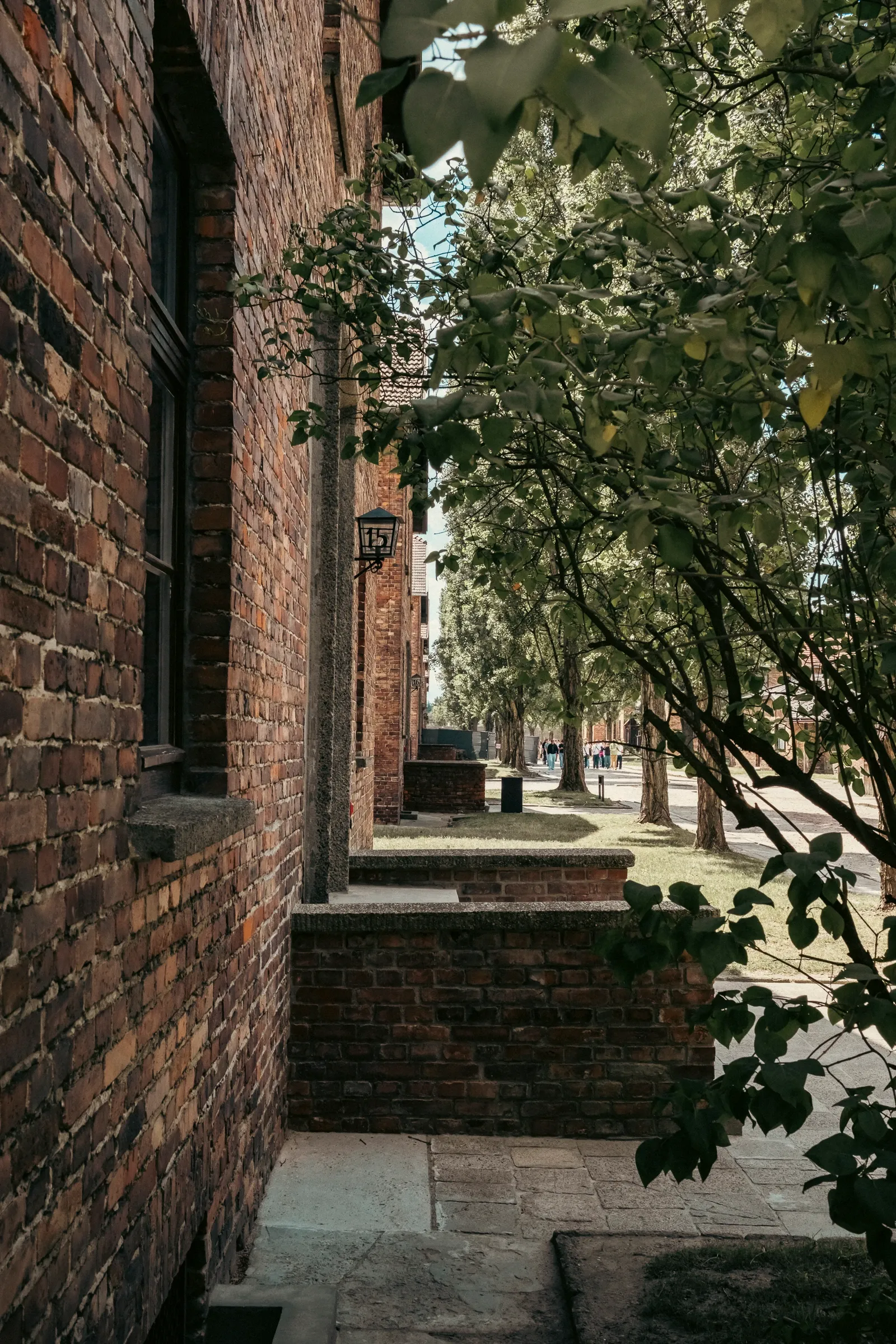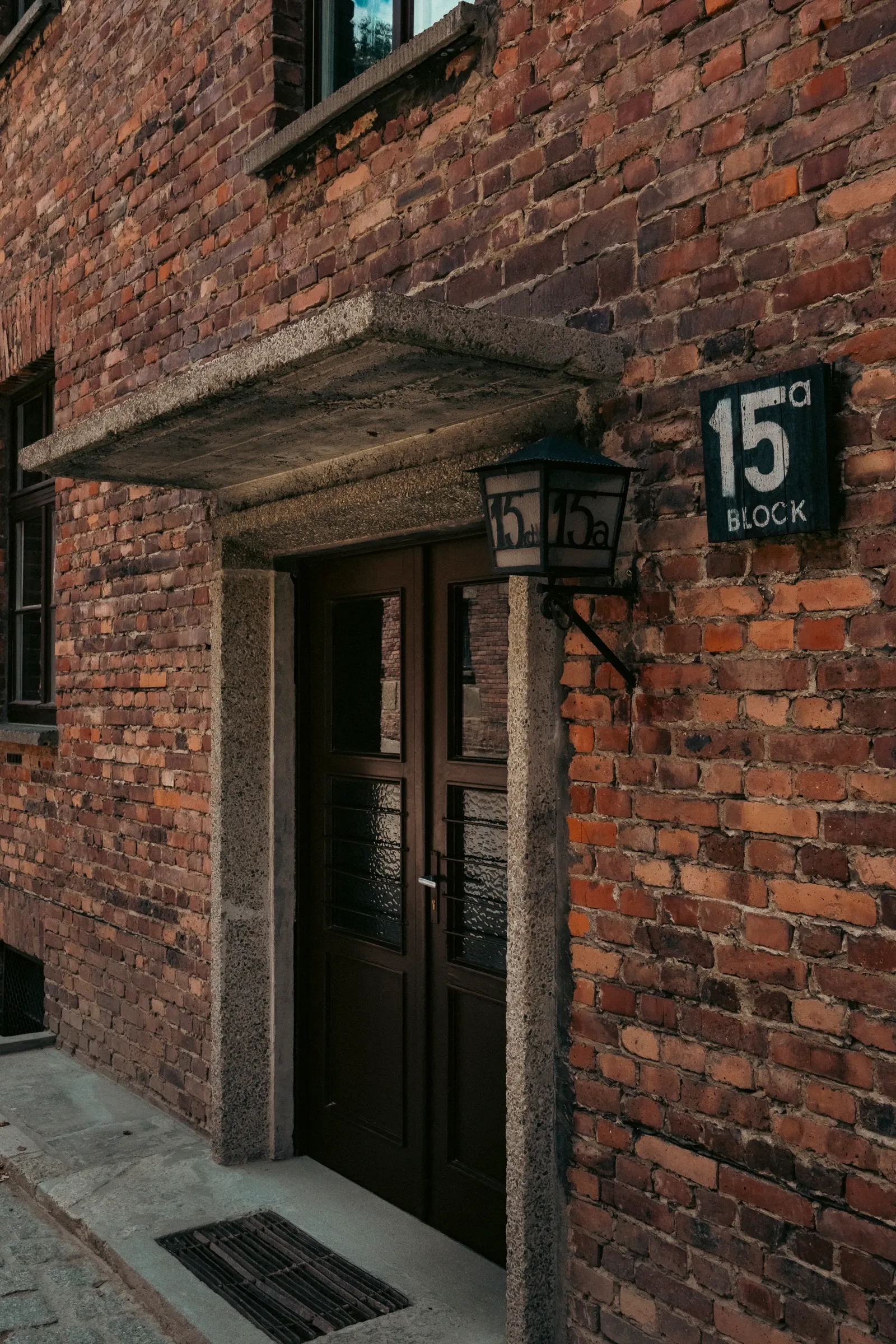
This summer we stayed in Poland, among other places. A visit to Auschwitz-Birkenau, the former concentration and extermination camp near Kraków, was therefore inevitable. It is one of the most profound places you can visit in Europe — not a destination you'd call "enjoyable", but one that stays with you for the rest of your life.
A private tour of Auschwitz and Birkenau
We had booked a private tour, and it turned out to be an excellent choice. Our guide shared an enormous amount of information, and despite the crowds on the grounds we were given all the time we needed to pause, to look, and to let everything sink in. The tour led us through both parts of the complex: Auschwitz I, the original camp with its well-known brick blocks, and Auschwitz II-Birkenau, the vast extermination camp a few kilometres away.
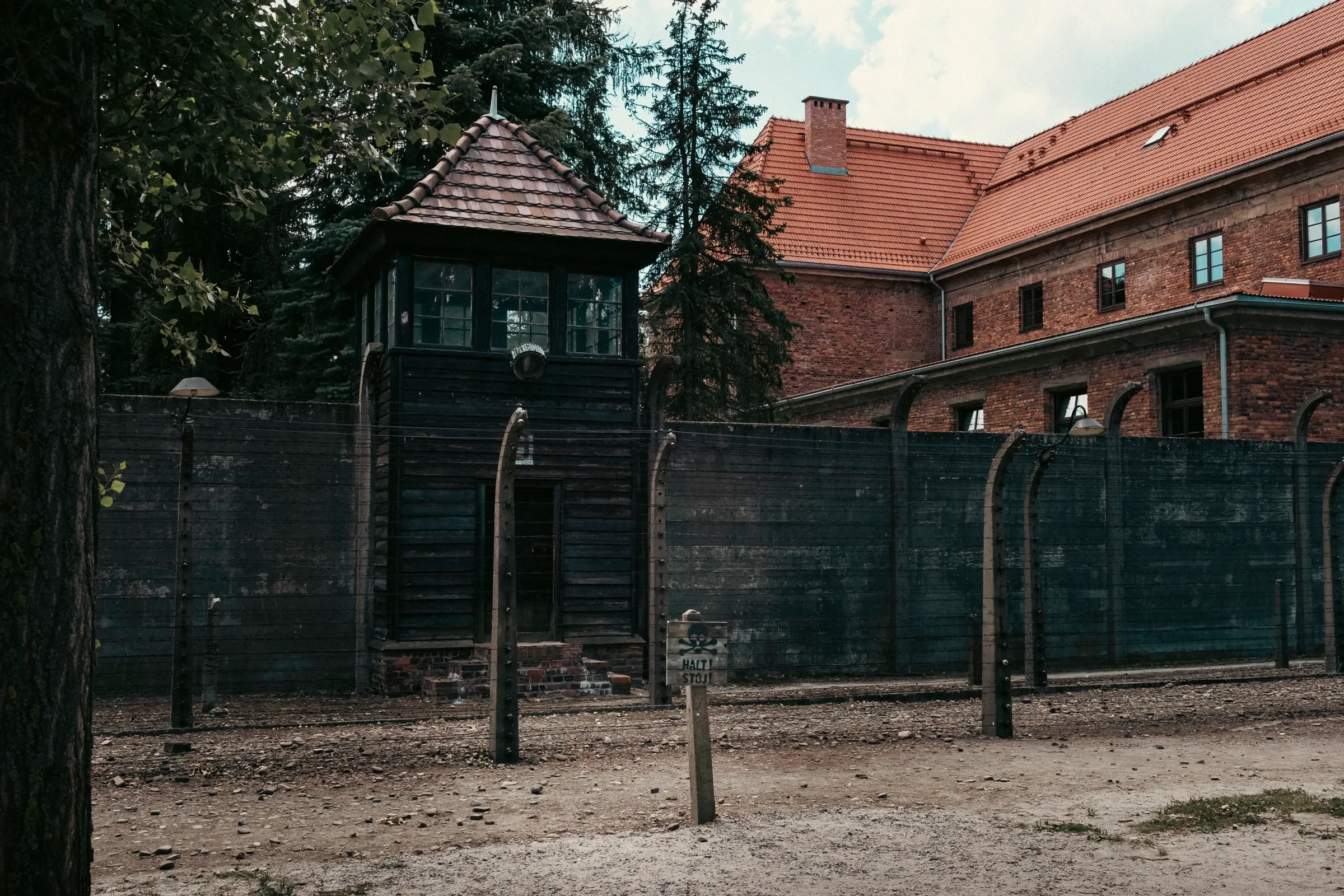
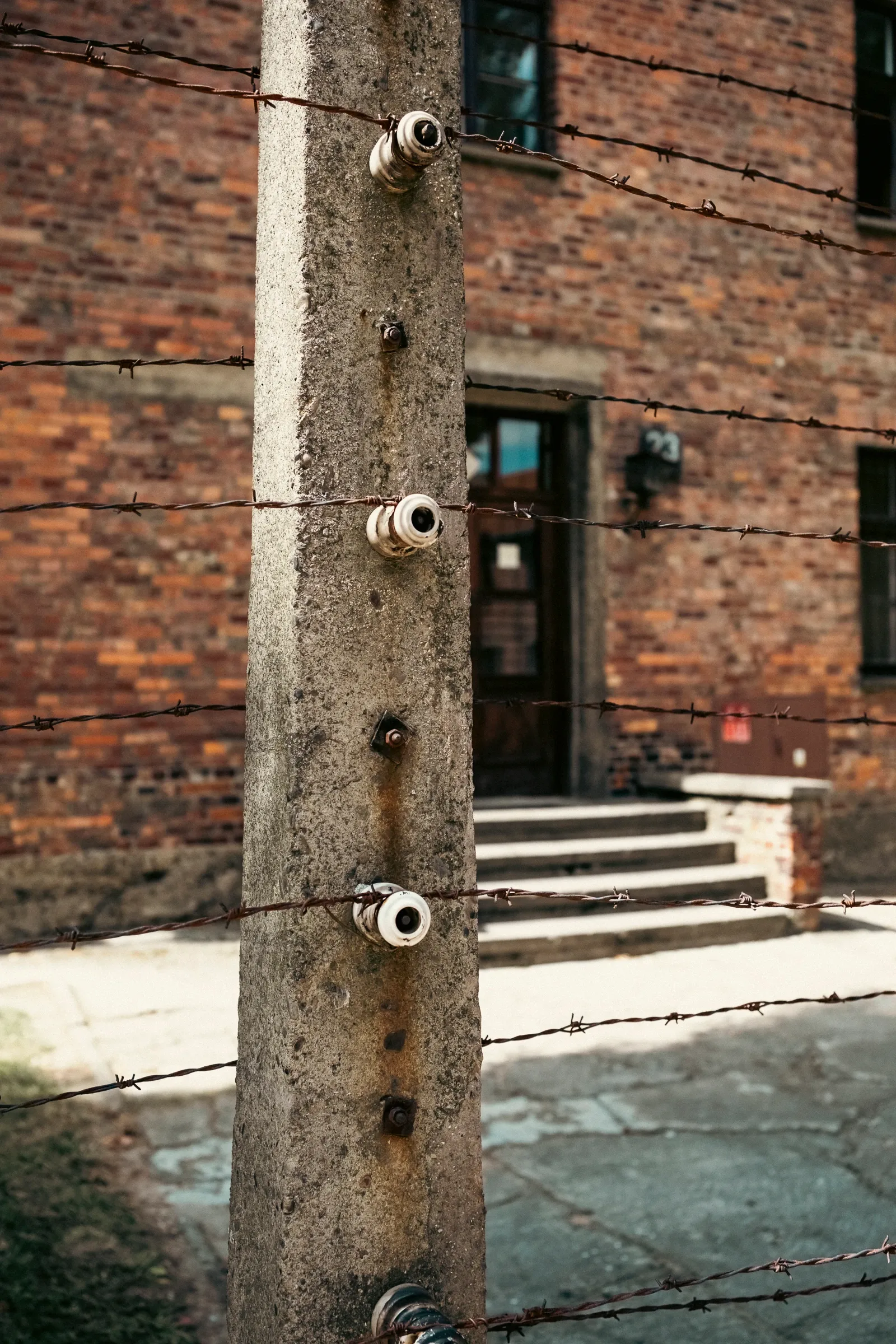
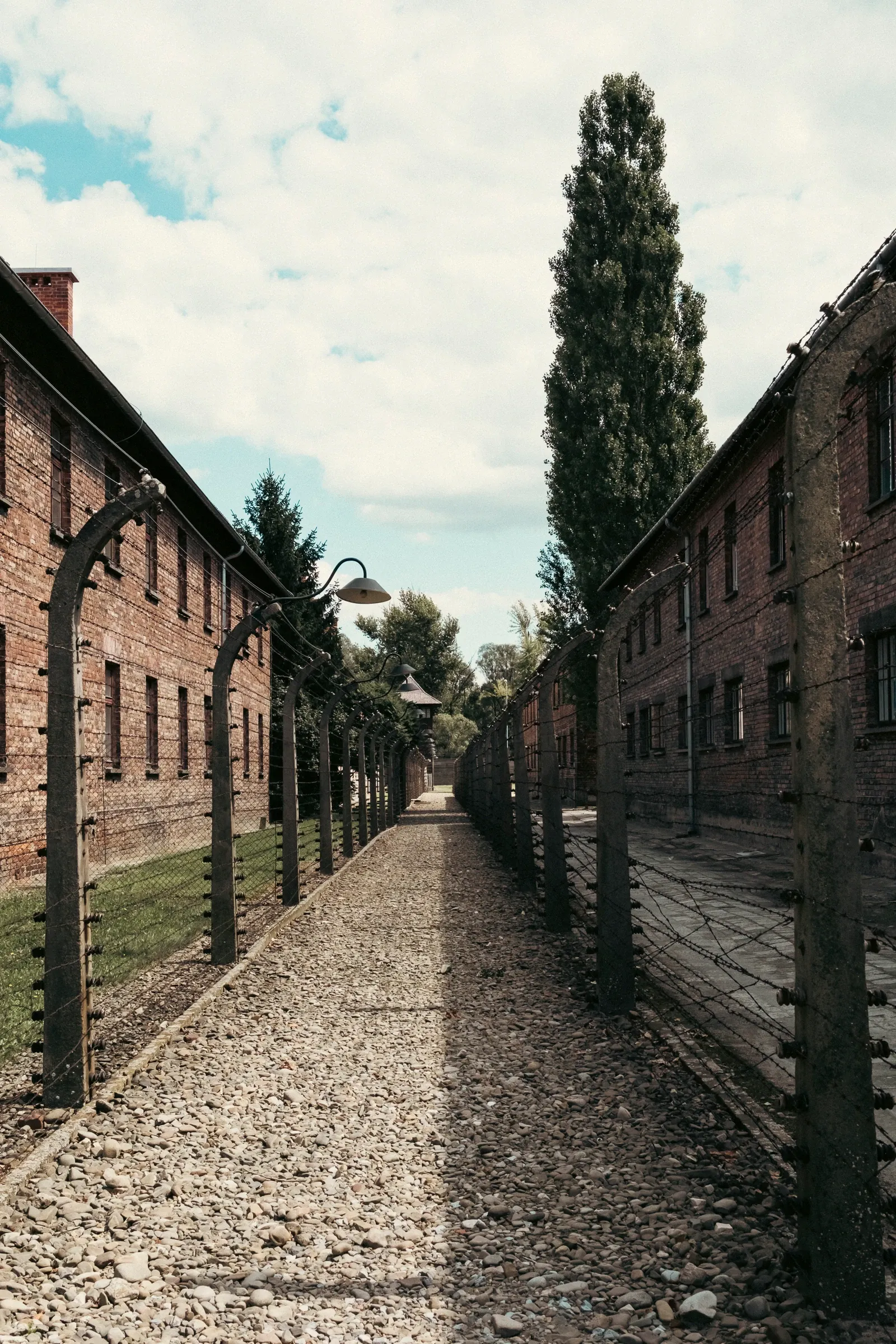
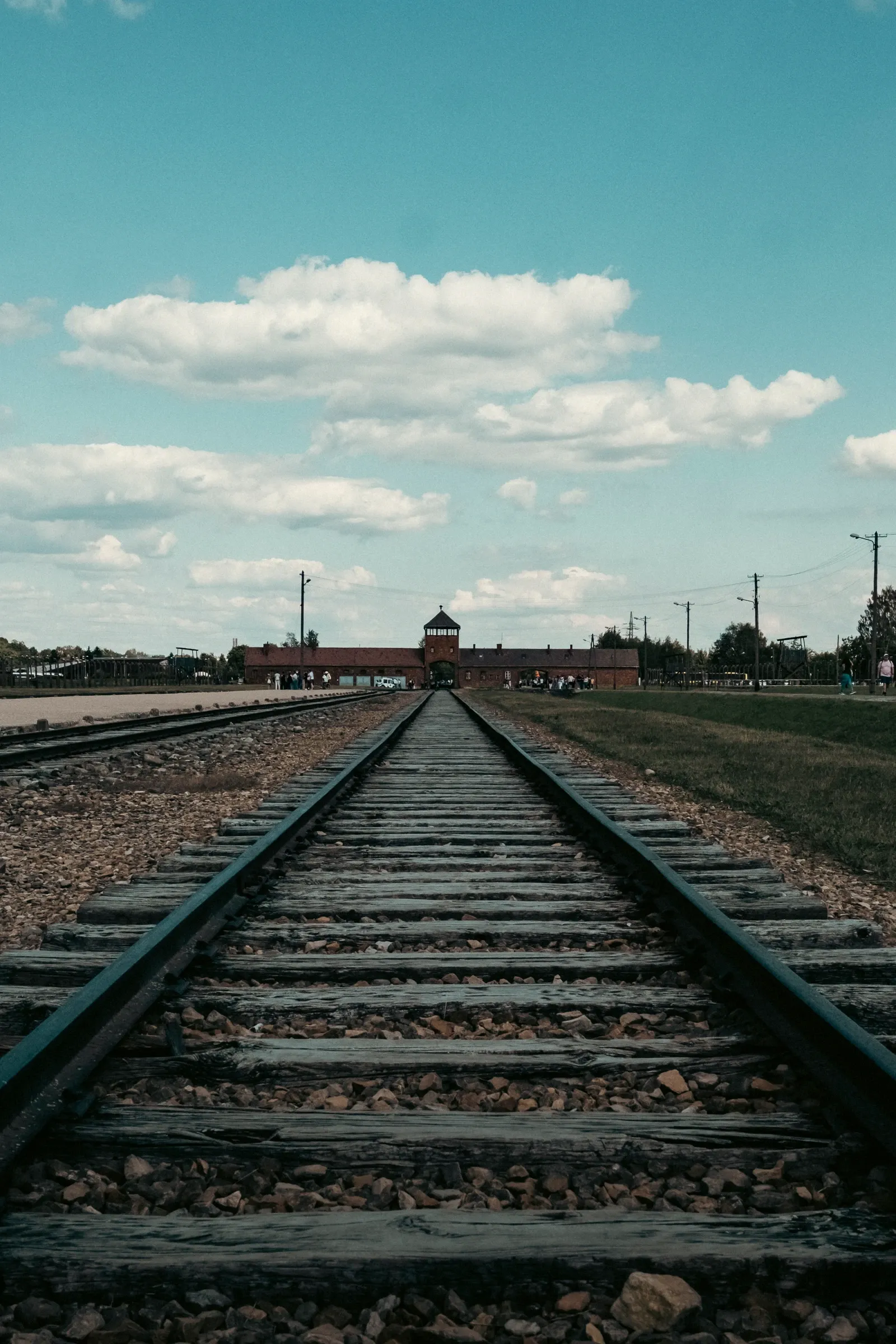
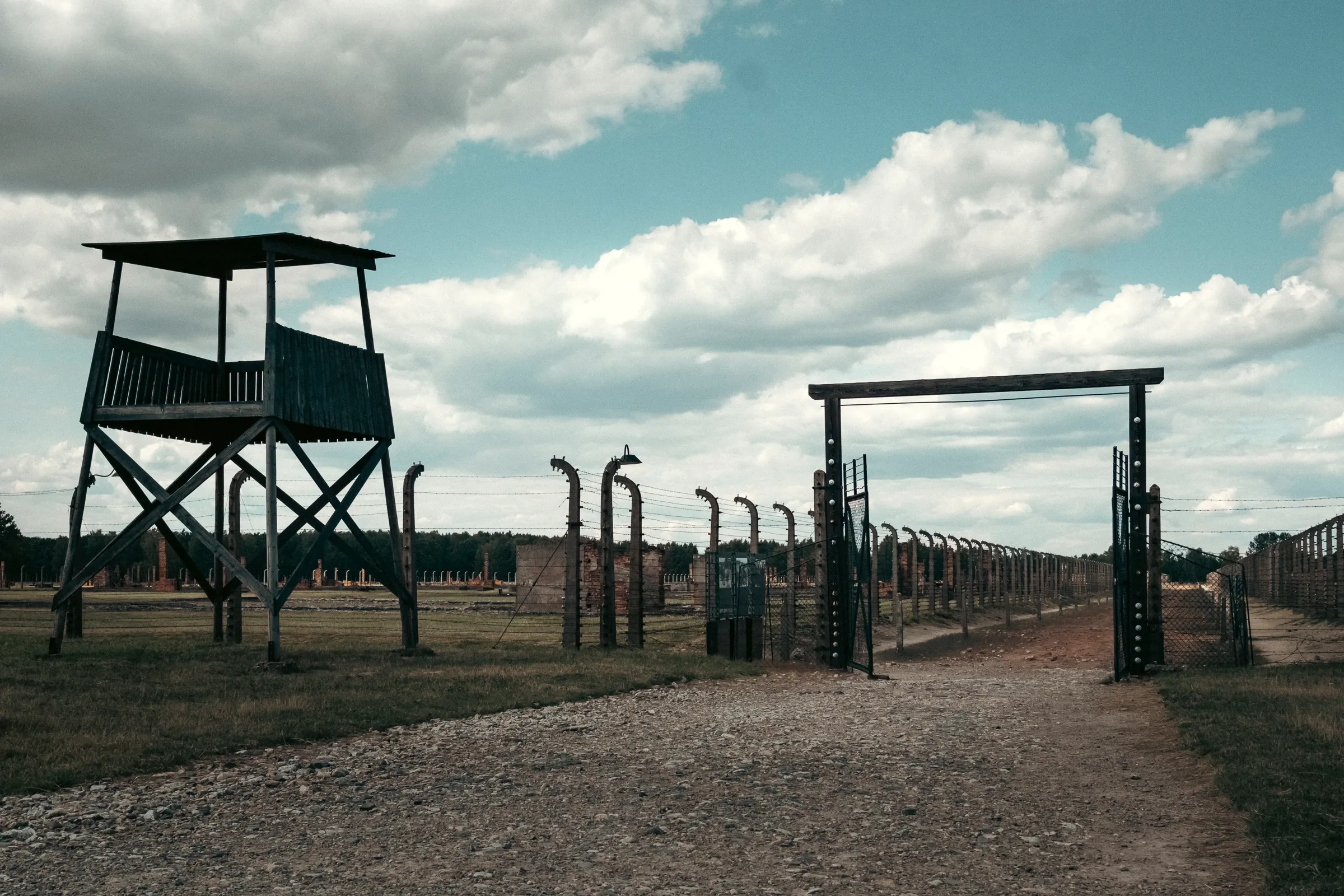
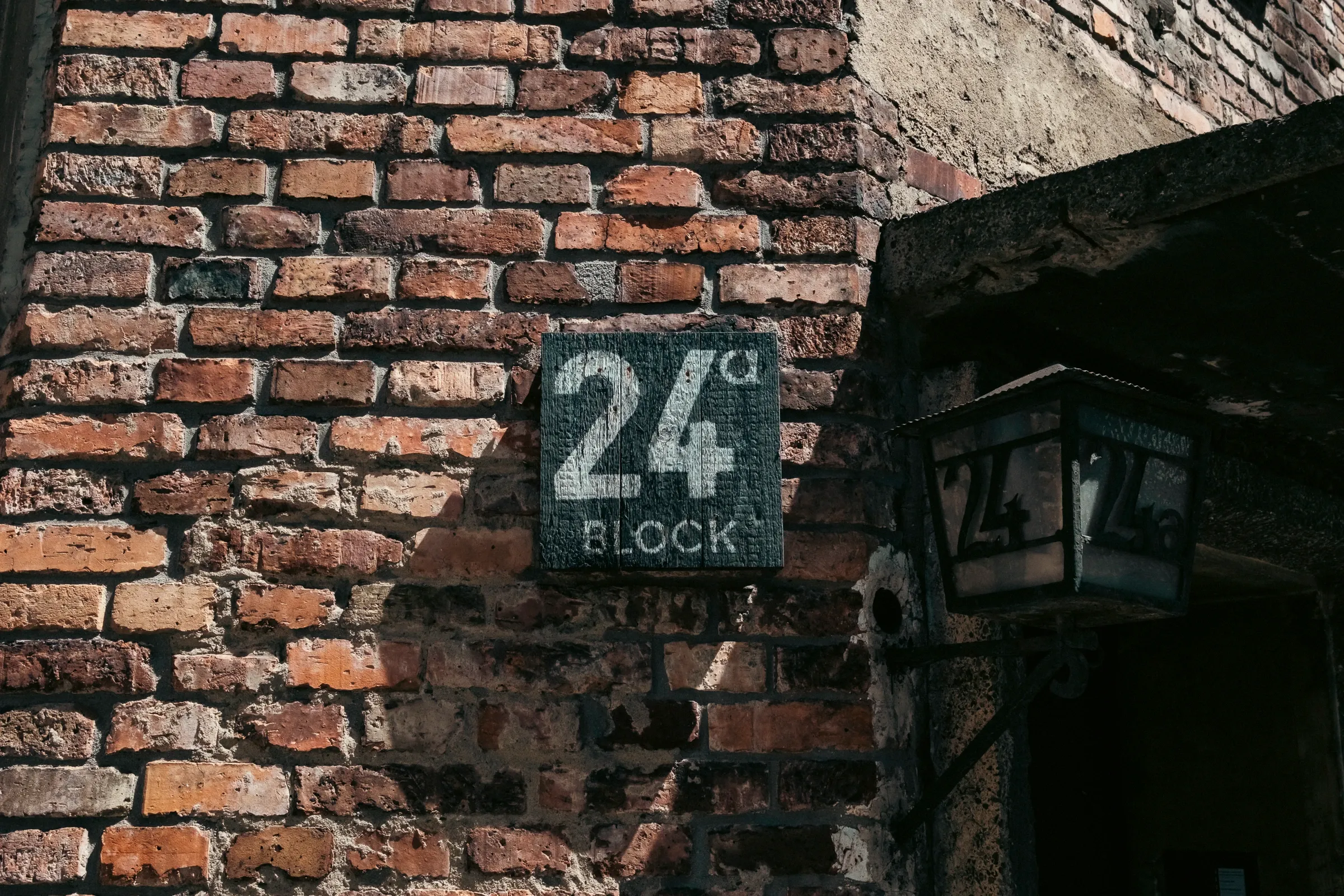
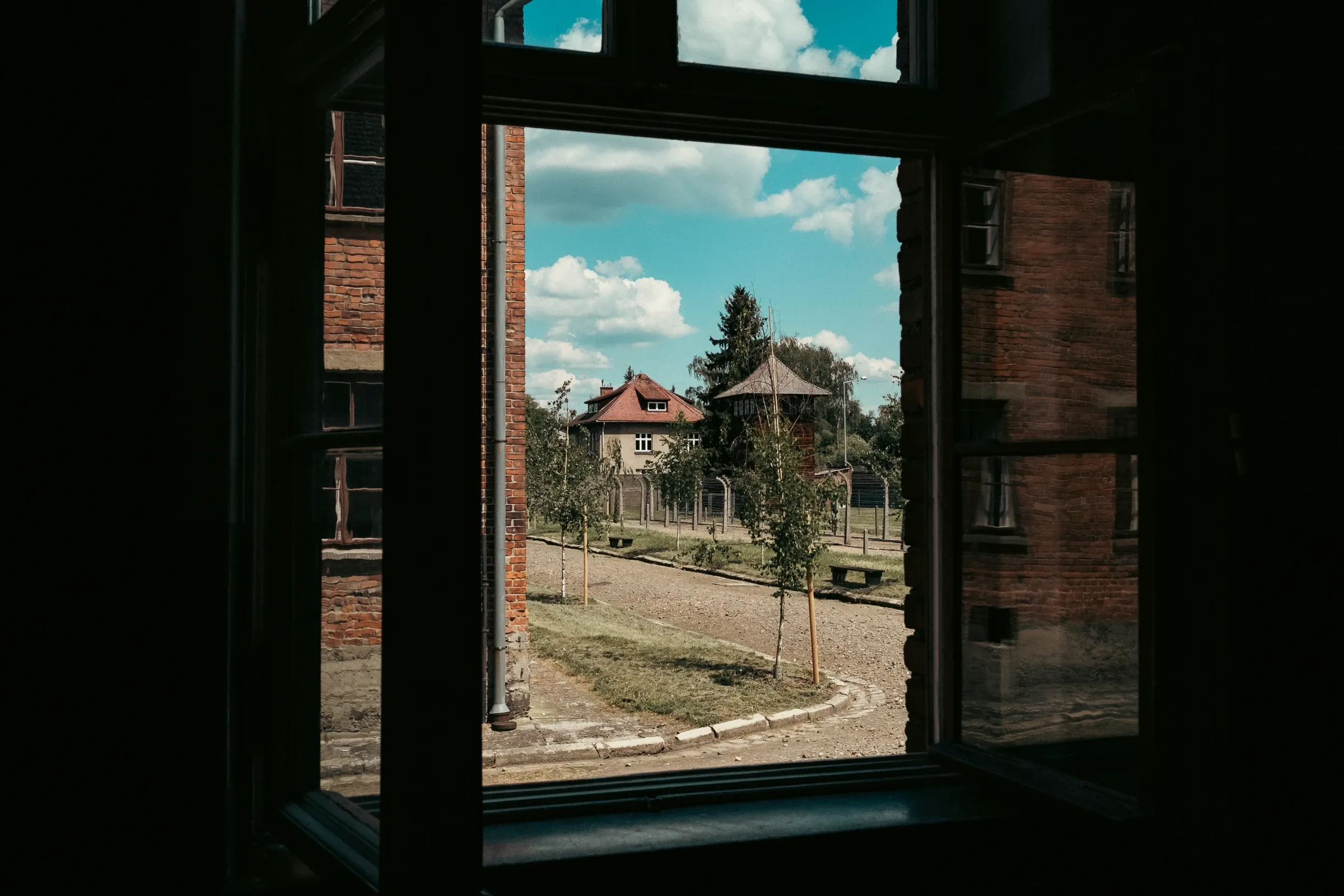
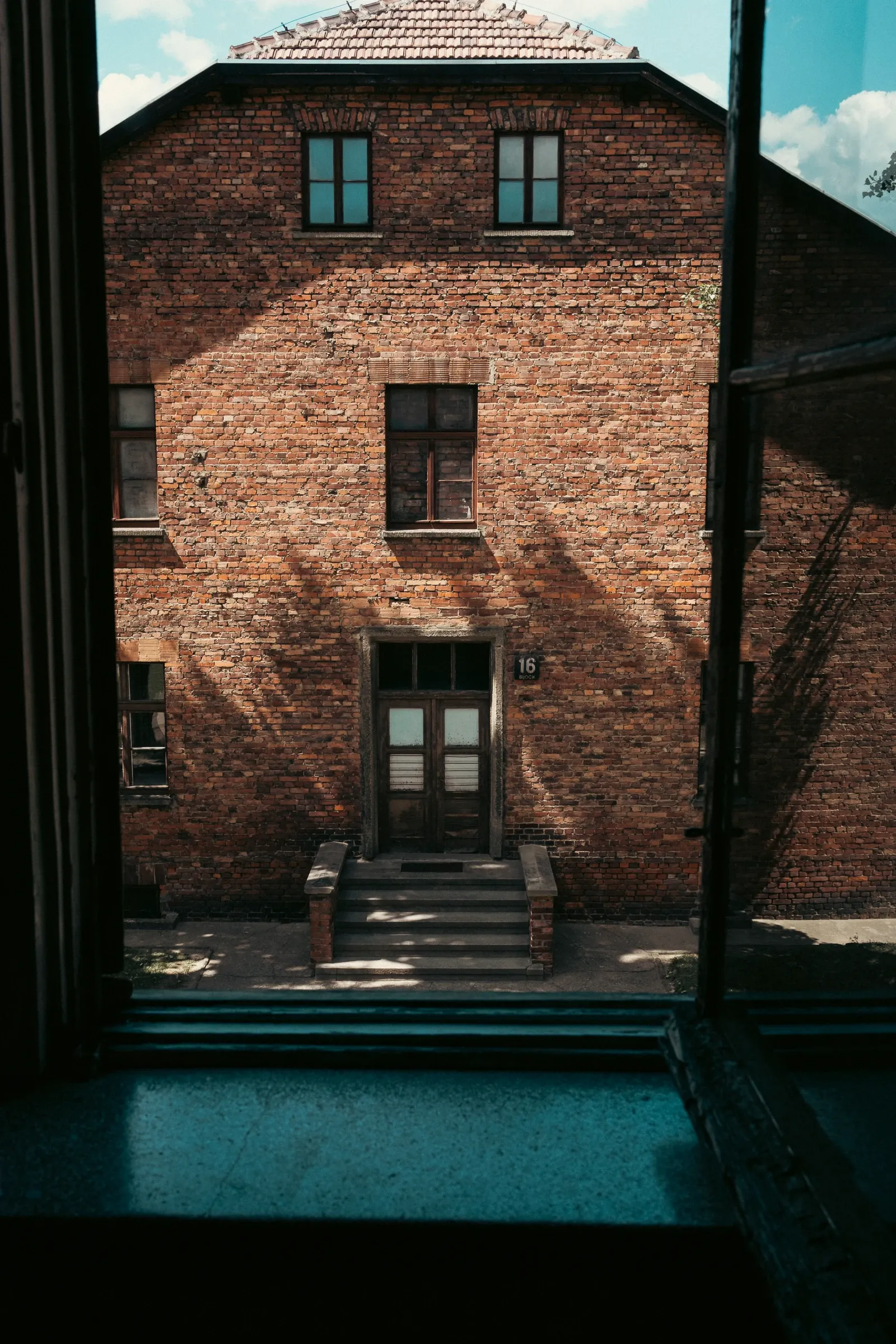
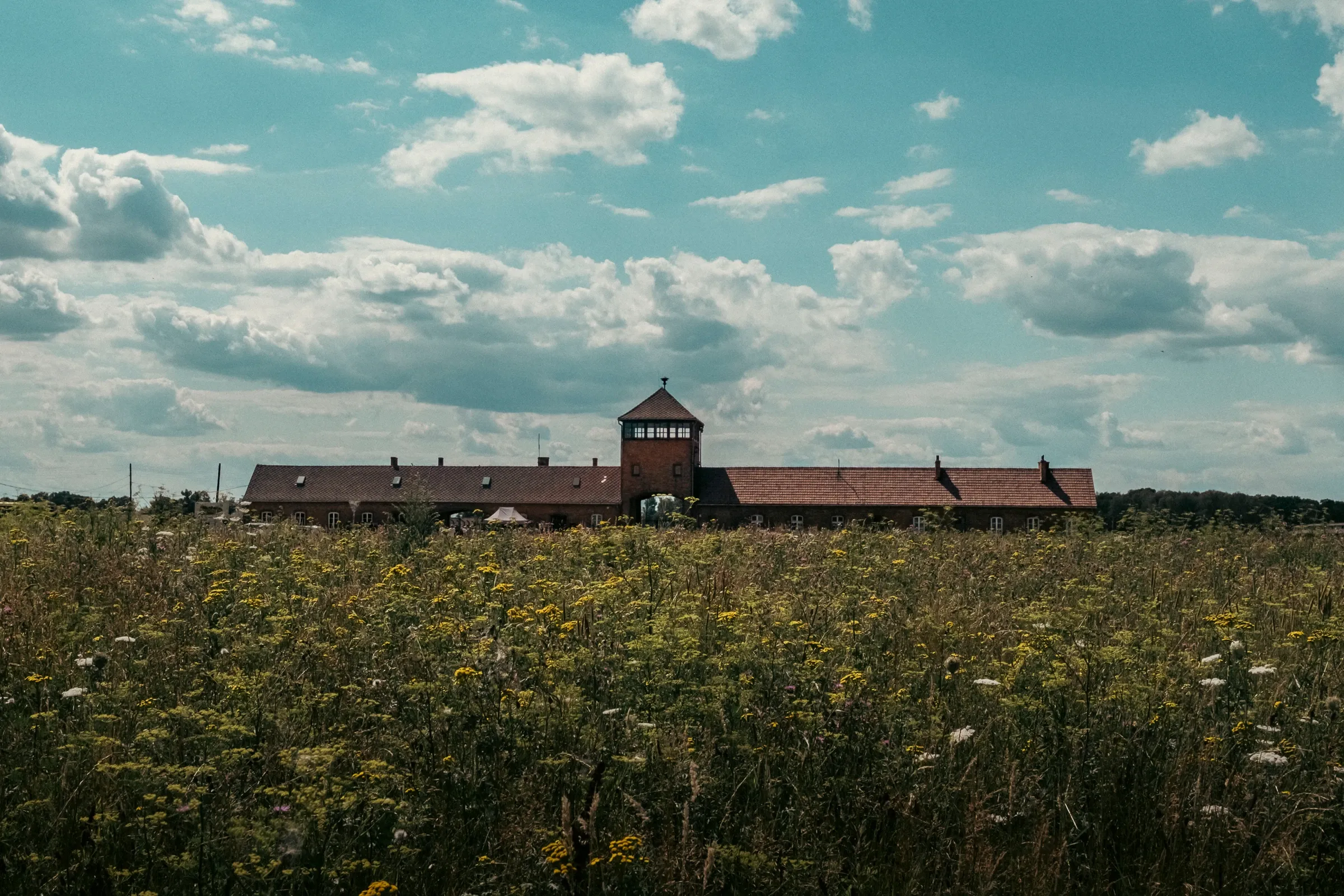
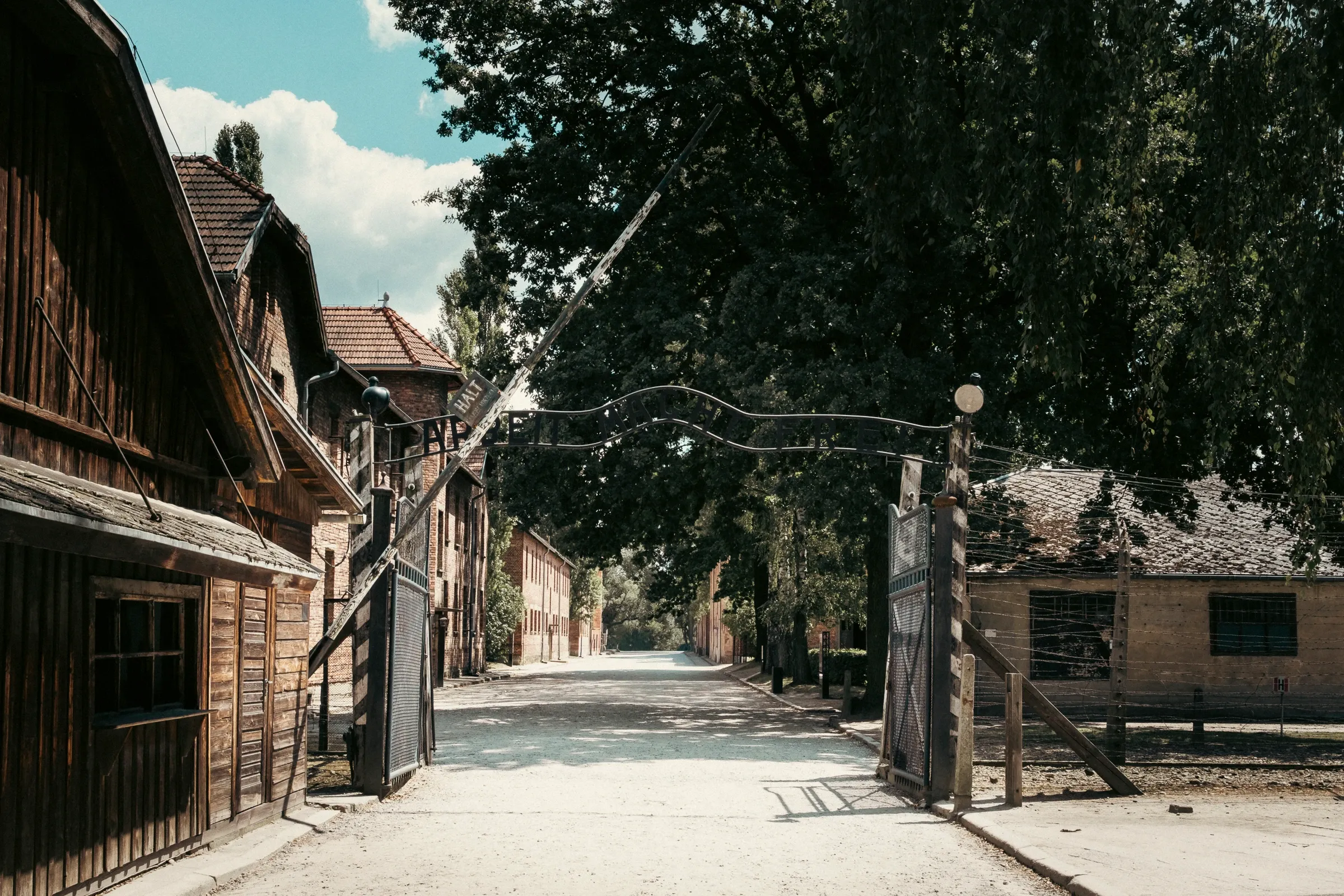
Something I hadn't known beforehand: around fifty camps and subcamps were located in this area. Auschwitz I has remained remarkably intact — the blocks, the gate bearing "Arbeit macht frei", the barbed wire and the watchtowers still stand almost exactly as they did. Birkenau tells a different story. Parts of it were burned and destroyed, and it is precisely that emptiness that leaves an impression. The scale is immense: endless rows of barracks and foundations, the railway line running straight through the gate into the camp. The conditions in which people were forced to live here were barbaric — something you only truly grasp when you are standing there yourself.
Photographing a place of great weight
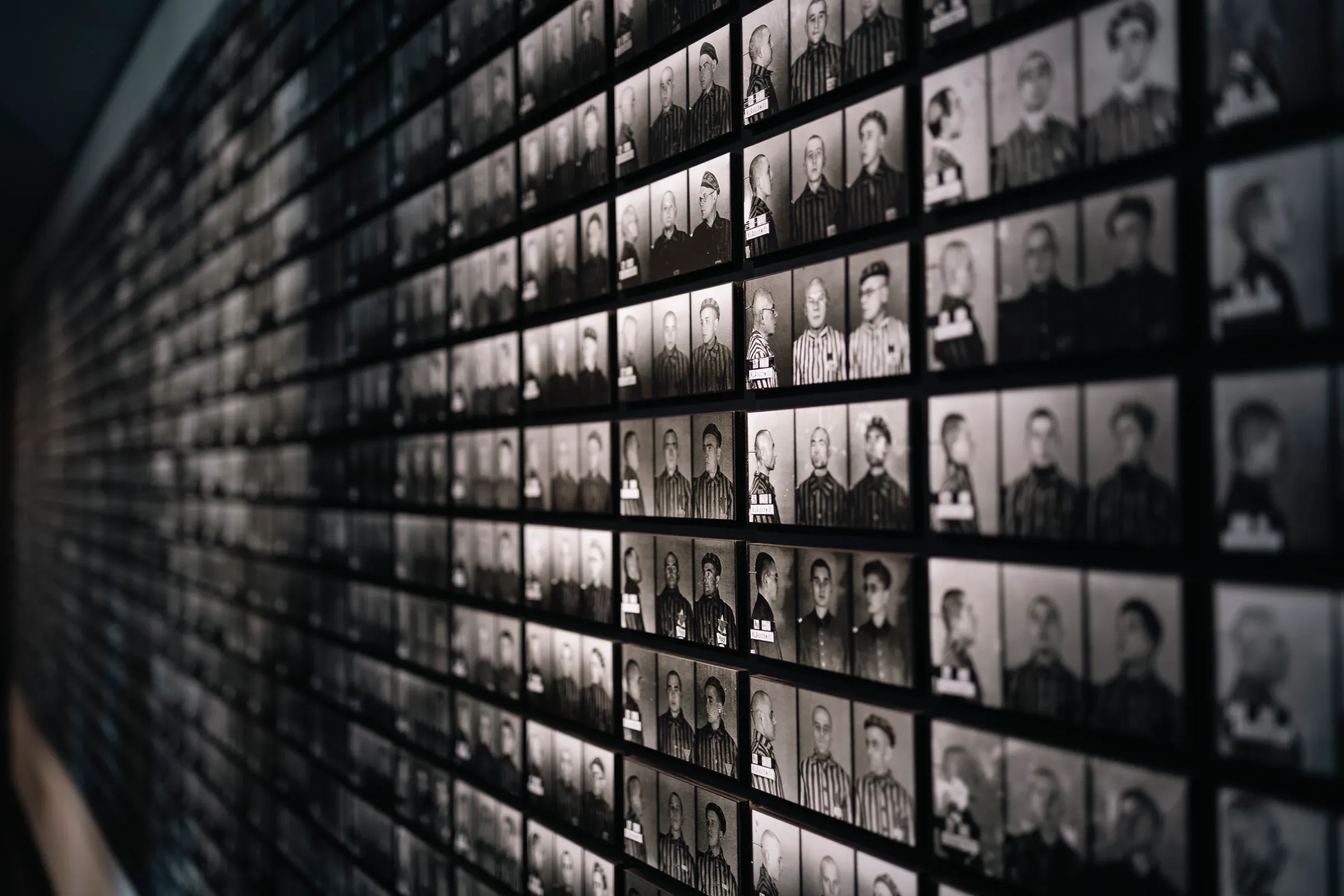
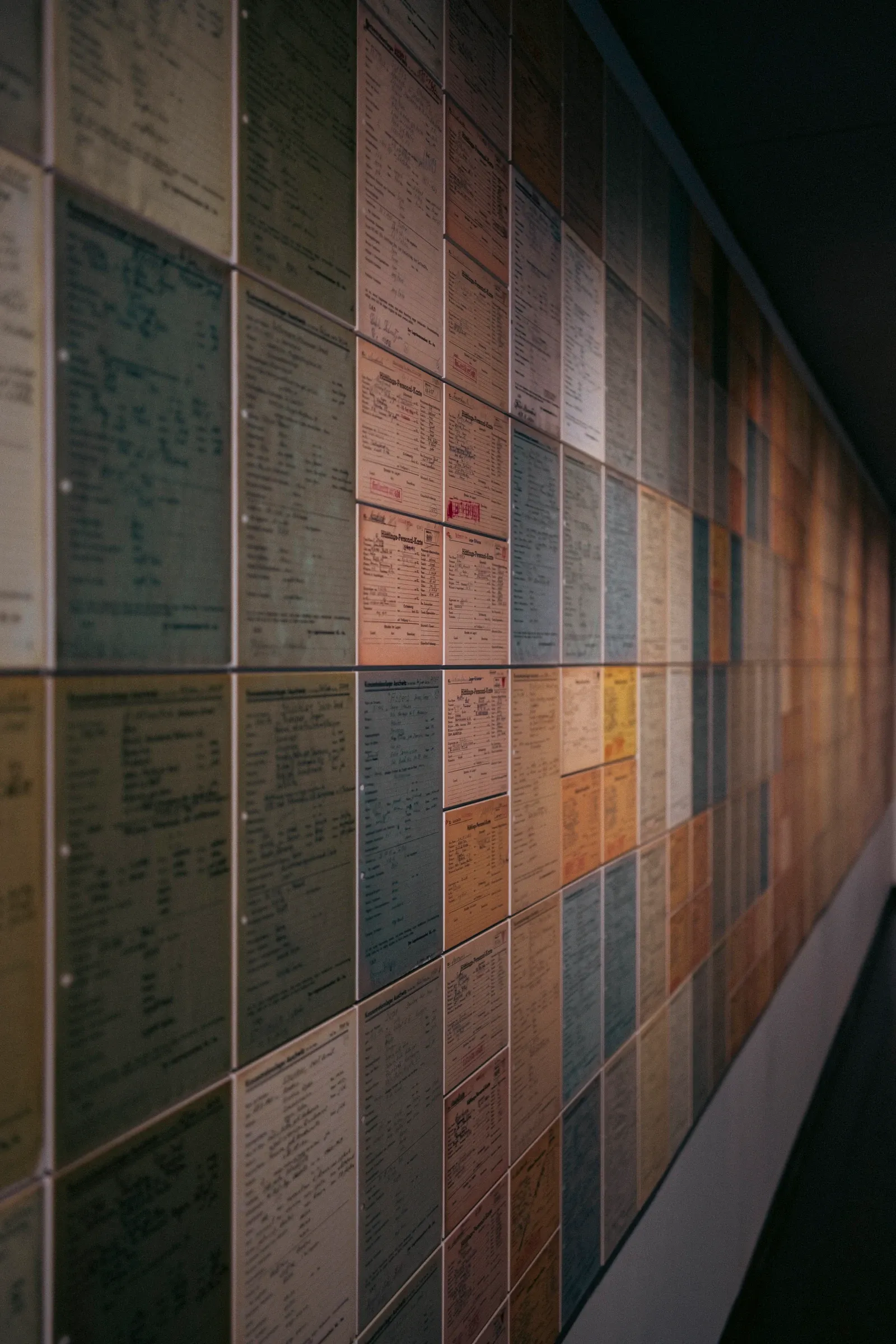
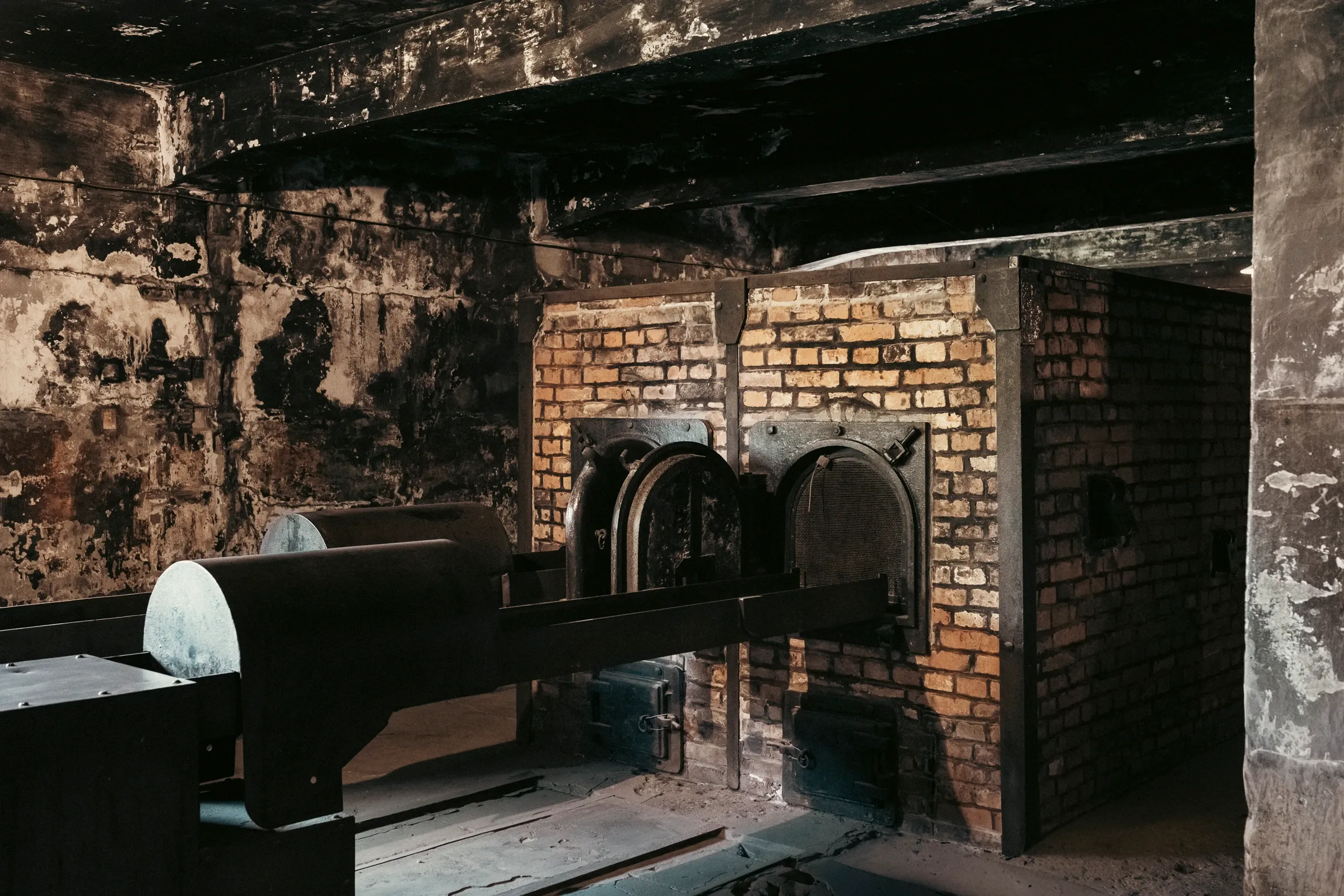
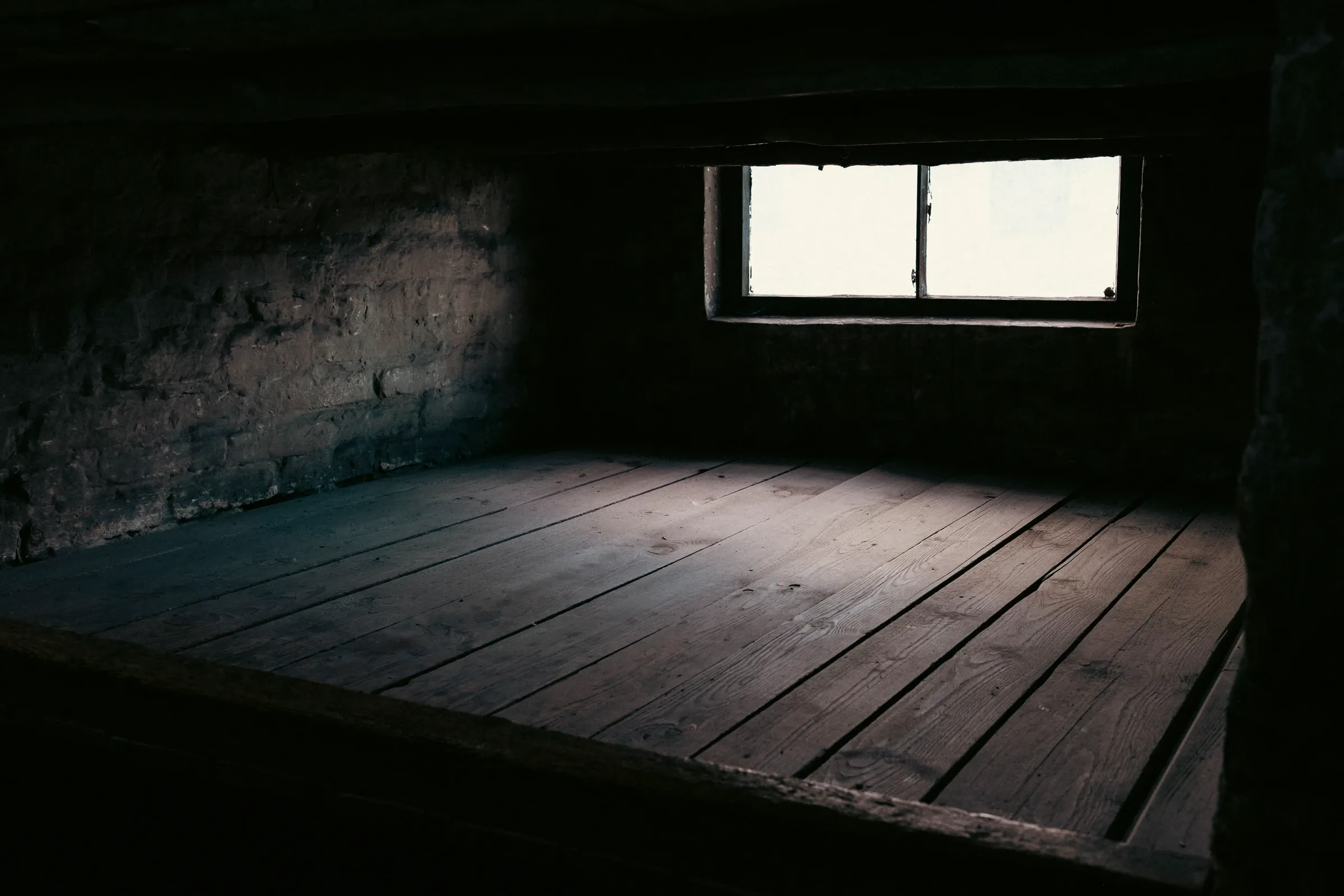
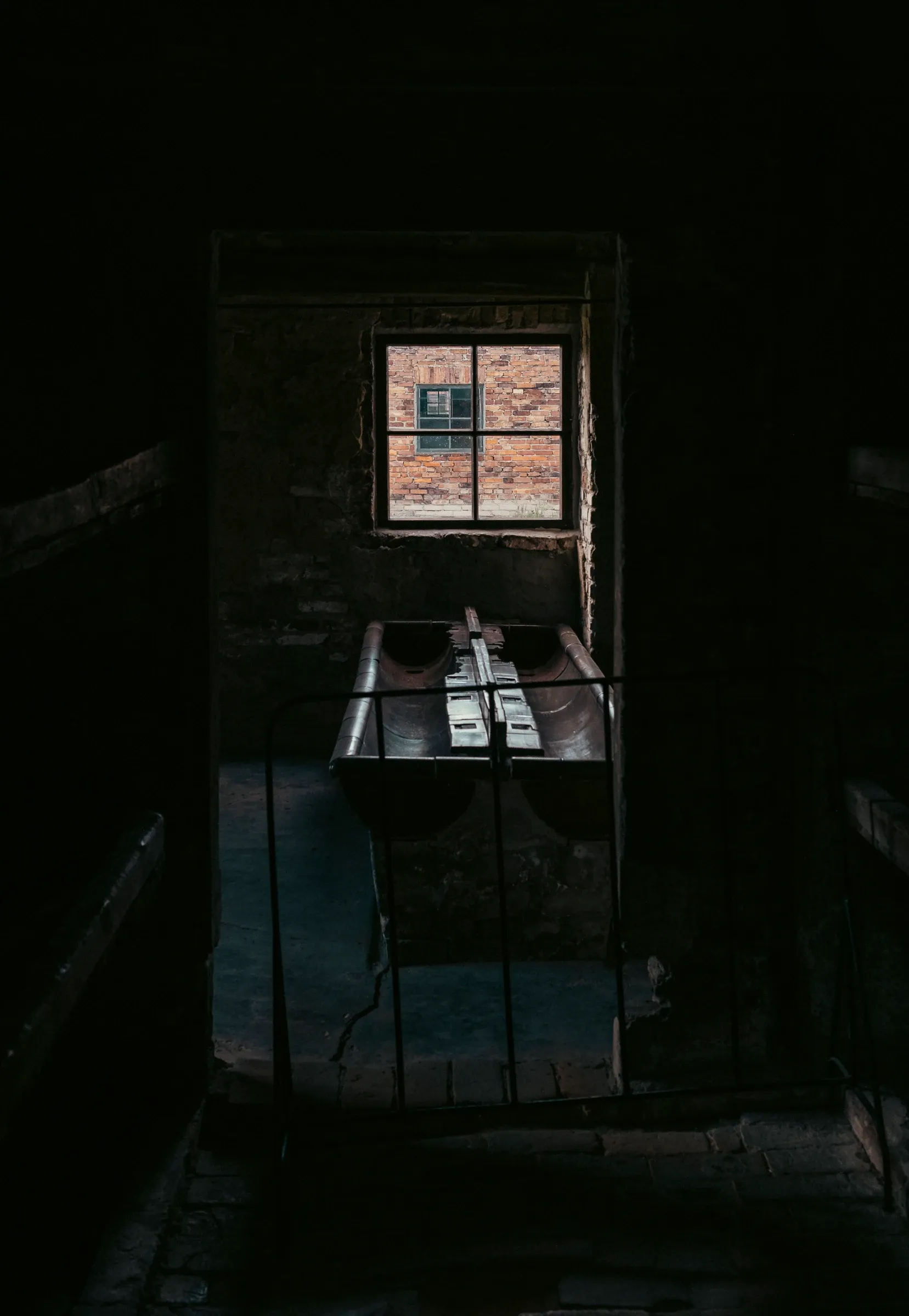
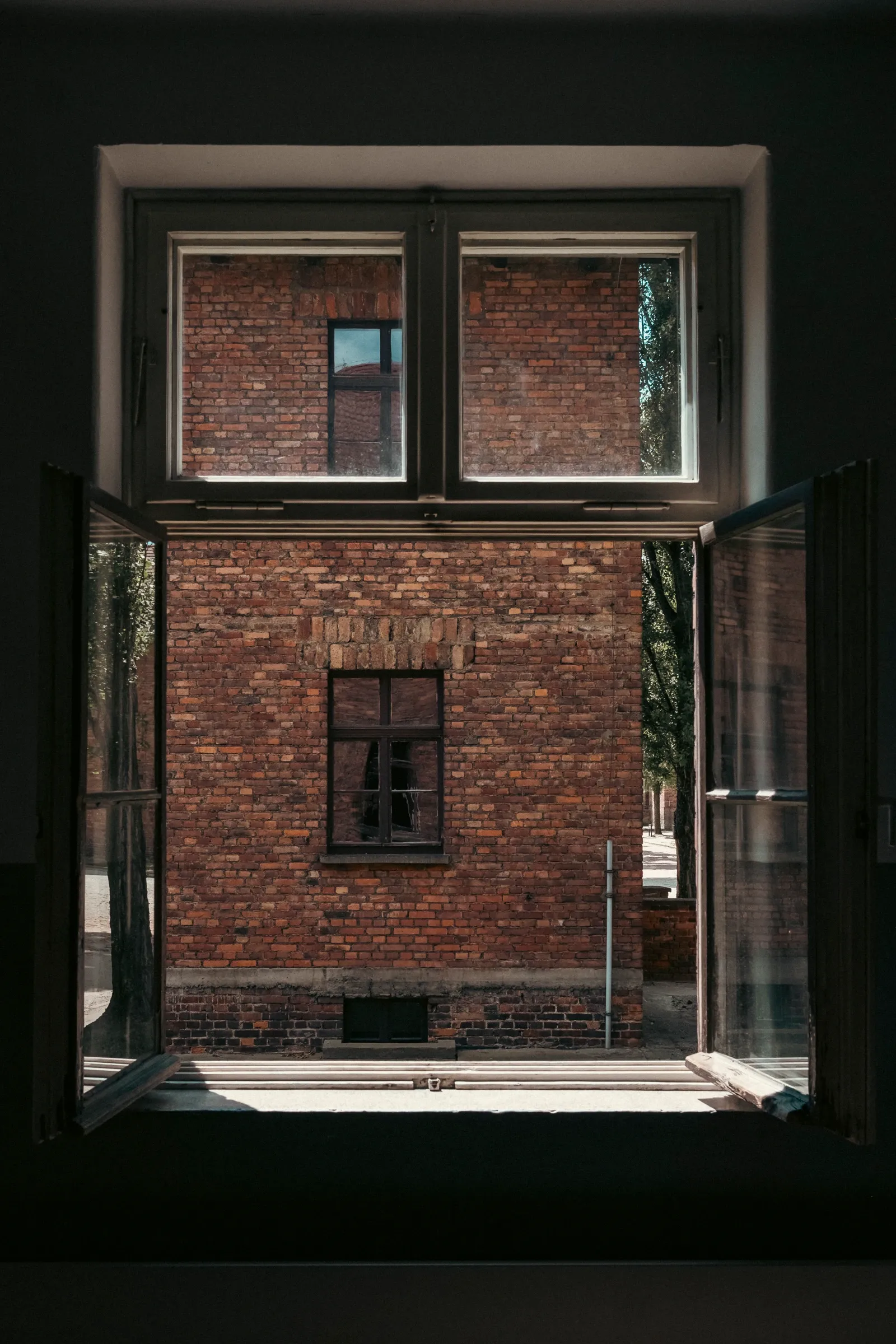
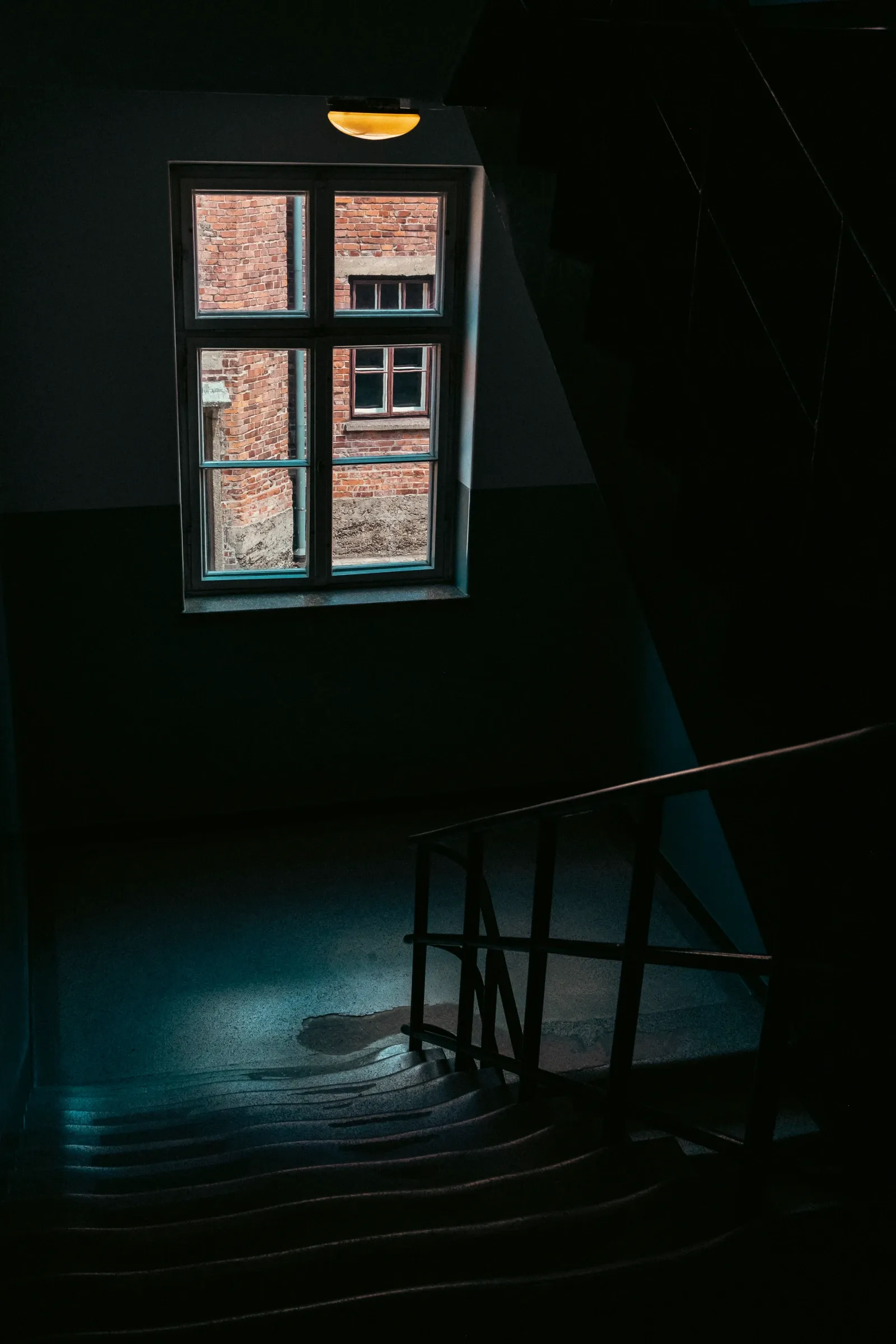
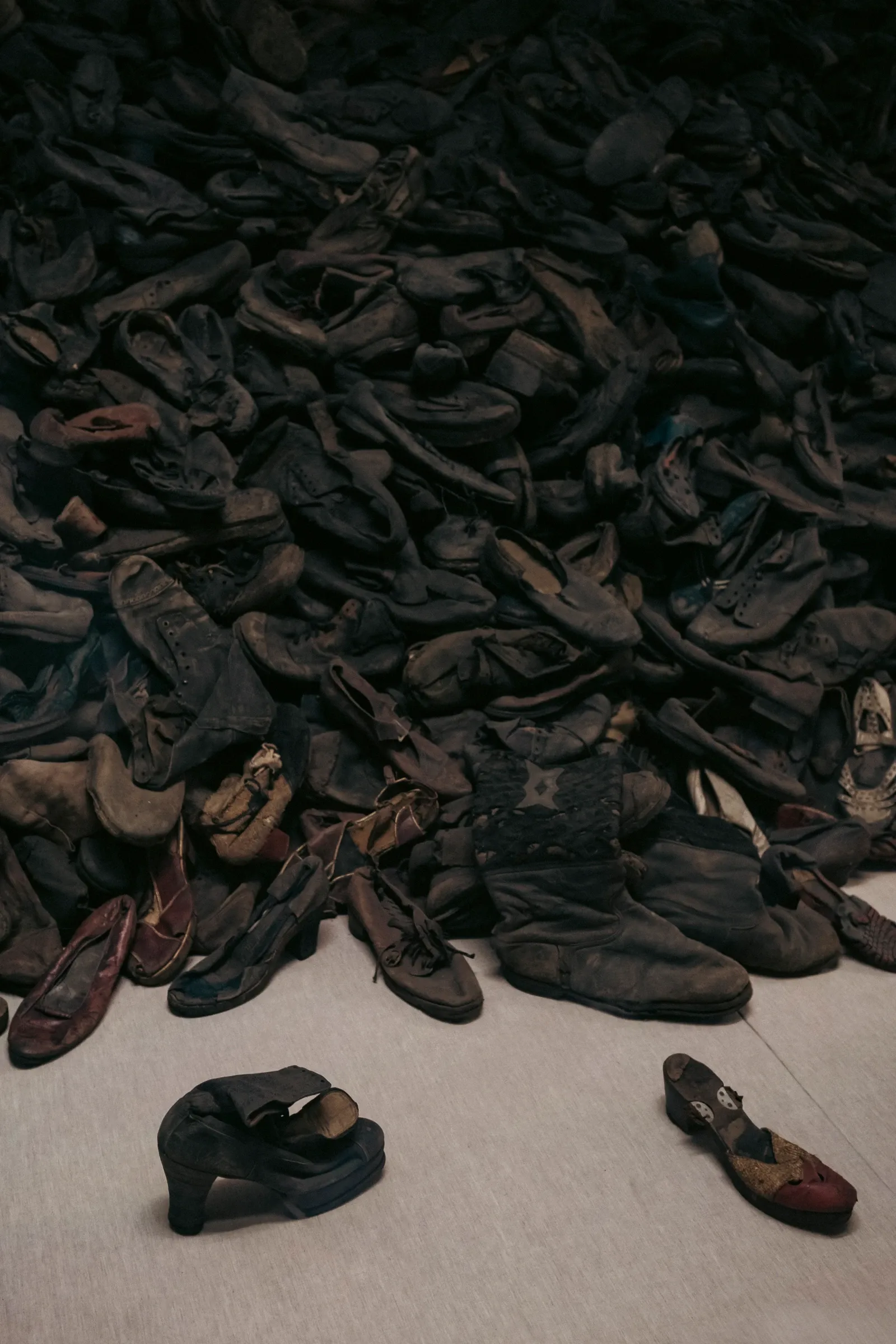
Photographs can never convey what we experienced and felt there. I tried to photograph as respectfully as possible: no sensationalism, only quiet observations. The empty sleeping quarters, the light falling through the windows, the mountains of victims' shoes, the endless registration cards and portraits on the wall. Details that make the unimaginable tangible.
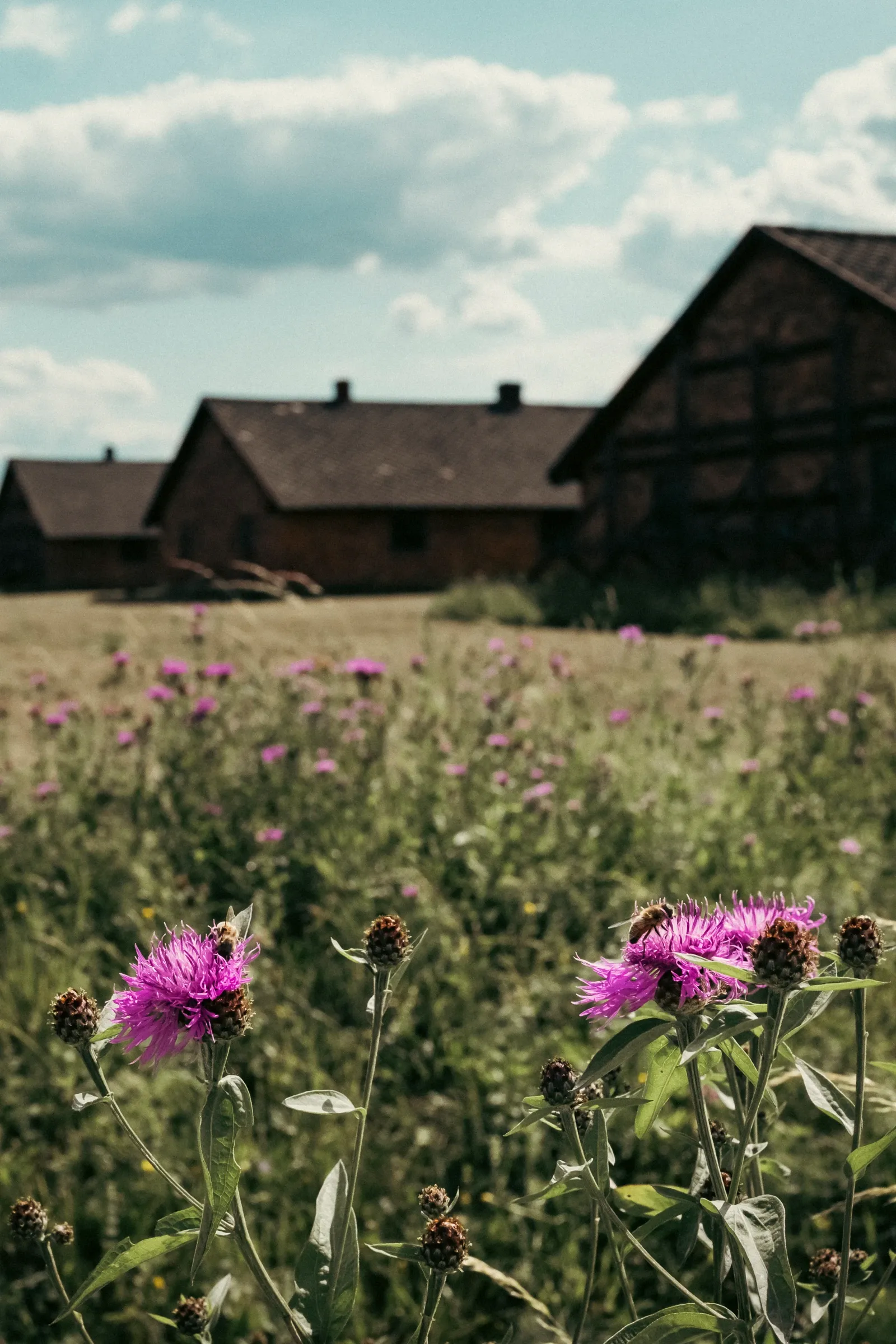
In post-processing I deliberately chose a cinematic look, as though we were taking a step back in time. Muted colours, soft tones, and the contrast between light and dark underscore the gravity and the silence of this place. Striking is how nature has partly reclaimed the grounds: wild flowers bloom between the barracks of Birkenau — a strange, almost consoling contrast with the history of this place.
Is visiting Auschwitz worth it?
Absolutely. It is not a cheerful outing, but anyone in the vicinity of Kraków should consider making this visit. It offers a penetrating and confronting portrait of the history of the Second World War and the Holocaust, and of the conditions in which over a million people lost their lives here. A private tour is something I wholeheartedly recommend: you receive more context, more calm, and more space for your own thoughts. A place you never forget.